
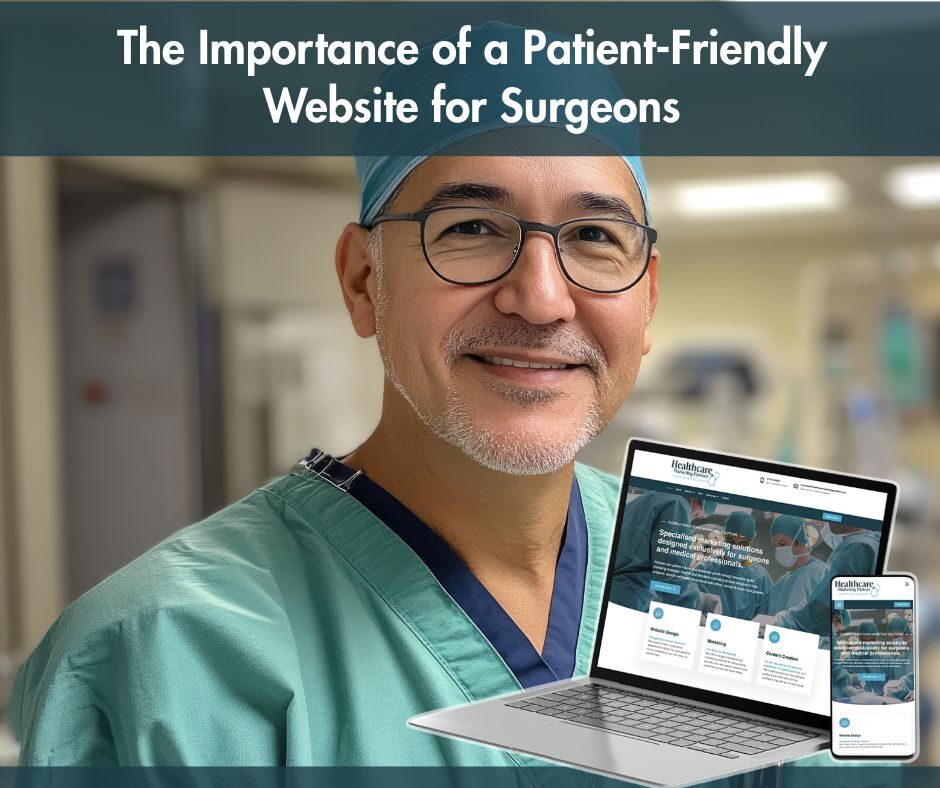
How to Enhance Patient Experience and Boost Engagement
A compelling online presence is essential for all surgeons and medical professionals to nurture patient confidence.
Surgeons, in particular, benefit significantly from a patient-friendly website that enhances their practice and improves patient care. A well-designed healthcare website not only provides crucial information but also fosters better communication with patients.
By prioritising patient experience and online patient engagement, surgeons can build trust and offer seamless access to their services, ultimately leading to better health outcomes for their patients.
“Trust is a critical component of the patient-provider relationship, and first impressions often occur online. A professional, patient-friendly website helps in establishing trust from the outset.”
The Importance of a Patient-Friendly Website
Having a patient-friendly website is not just a luxury for surgeons; it is a necessity. As more individuals rely on the internet for information, healthcare providers and medical professionals must ensure their online presence is tailored to meet patient needs effectively.
Facilitating Better Communication
A well-designed, patient-friendly website is absolutely essential for facilitating better communication between surgeons and their patients.
Through features like a blogs/articles, contact forms, online chat options, and comprehensive FAQs, patients can have their queries addressed promptly. Clear, concise, and transparent communication aids in alleviating patient anxiety, as it allows them to feel supported and informed. Providing various communication channels ensures that patients from all demographics and technological proficiencies can connect with their healthcare providers comfortably in a way they want to.
By streamlining communication, surgeons not only enhance patient satisfaction but also save time and resources that might otherwise be used in extensive face-to-face consultations or repetitive inquiries.
Enhancing Online Patient Engagement
Surgeons and medical professionals can significantly enhance online patient engagement through an inviting and informative website. Engaging content such as blog posts, videos, testimonials, and educational resources about procedures and diagnoses encourages patients to spend more time on the site. It empowers them with knowledge, aiding them in making more informed decisions about their healthcare.
“Engaging content such as blog posts, videos, testimonials, and educational resources about procedures and diagnoses encourages patients to spend more time on the site.”
Interactive features like appointment scheduling, forums, and patient feedback forms can further boost involvement. When patients feel a connection with their healthcare provider online, they are more likely to engage actively with their healthcare journey, maintaining continuity and improving overall outcomes.
Building Trust with Potential Patients
Trust is a critical component of the patient-provider relationship, and first impressions often occur online. A professional, patient-friendly website helps in establishing trust from the outset. Information about the surgeon’s credentials, expertise, and patient success stories should be easily accessible, portraying a transparent and trustworthy image.
Not surprisingly, positive online reviews and testimonials on the website can reinforce credibility (these can be collected via Doctify or Top Doctors). When potential patients sense that a surgeon is genuinely concerned about their well-being and is transparent with information, they are more likely to trust and choose them for care. In this respect, a website serves as both a digital ambassador and a testament to the surgeon’s commitment to patient-centric care.

Essential Features of a User-Friendly Healthcare Website
Creating a user-friendly medical website that caters to patient needs involves incorporating several essential features. These features not only improve the user experience but also reflect the surgeon’s dedication to providing advanced and approachable healthcare services.
Easy Navigation and Accessibility
One of the most critical features of a patient-friendly website is easy navigation and accessibility. A well-structured website with a clear layout ensures that patients can find the information they need without unnecessary complications. Important elements such as contact information, services offered, and patient resources should be prominently displayed on the homepage. Additionally, incorporating features like breadcrumbs, search bars, and drop-down menus can significantly enhance usability. Accessibility is also key; websites should cater to individuals with disabilities by including features like text enlargement, screen reader compatibility, and high-contrast displays. By accommodating diverse patient needs, surgeons demonstrate inclusivity and accessibility in healthcare services.
Mobile Responsiveness
In a world where mobile devices dominate internet usage, ensuring a website is mobile-responsive is crucial. Many patients will access healthcare websites via smartphones or tablets, and a seamless mobile experience is vital in retaining their engagement. A mobile-responsive website adjusts automatically to fit different screen sizes and resolutions, ensuring readability and functionality remain consistent. Crucially, navigation should remain intuitive, and loading times should be swift. A mobile-friendly design conveys professionalism and caters to the busy lifestyles of potential patients, increasing the likelihood they will engage with the content and services offered.
Secure Online Patient Portals
The integration of secure online patient portals is an indispensable aspect of a user-friendly healthcare website. These portals allow patients to access their medical records, test results, and treatment histories conveniently, ensuring they are well-informed and proactive in their healthcare. Crucially, maintaining robust security measures is essential to protect sensitive patient information from cyber threats. Features like encrypted connections, two-factor authentication, and strong password protocols are vital in ensuring data security. Not only do secure portals enhance patient convenience, they also build confidence in the healthcare provider’s commitment to safeguarding patient confidentiality. This approach not only streamlines administrative processes but also fosters a trusting and efficient relationship between surgeons and their patients.
“Crafting a patient-friendly website is a vital step towards improving patient care and engagement.”
Surgeons who invest in well-designed, accessible, and informative online platforms are better positioned to meet the needs of their patients and stand out in the ever-evolving digital landscape of healthcare.
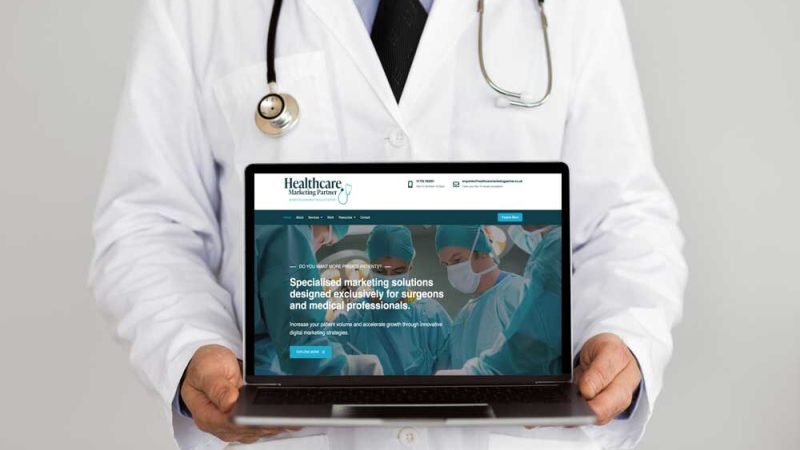
Improving Patient Care Through Digital Platforms
In today’s rapidly evolving digital landscape, the healthcare industry cannot afford to lag behind. Surgeons, in particular, can greatly benefit from adopting digital platforms to enhance patient care. A patient-friendly website is more than just a digital brochure; it is a critical tool for improving patient engagement and delivering quality care.
Streamlining Information Access
A well-designed website serves as a central hub where patients can easily access relevant information. This includes details about surgical procedures, post-operative care instructions, and answers to frequently asked questions. By making this information readily available, surgeons can empower patients with knowledge, reduce anxiety, and prepare them for surgical experiences. Patients who understand their treatment options and the recovery process are likely to trust their healthcare providers more and engage more actively in their own healthcare journey.
Facilitating Appointment Scheduling
One of the most significant advantages of a patient-friendly website is the ability to streamline the appointment scheduling process. Patients can book consultations or follow-up appointments online at their convenience, reducing the need for phone calls and time-intensive scheduling discussions. This not only improves patient satisfaction but also optimizes the practice’s administrative efficiency. An integrated online scheduling system can help reduce appointment no-shows and improve overall practice management.
Enhancing Communication
Digital platforms provide opportunities for surgeons to enhance communication with their patients. Secure messaging systems integrated into the website allow for timely correspondence regarding lab results, medication questions, and other patient concerns. Such communication tools facilitate ongoing patient-care provider interaction, fostering a sense of trust and accessibility between patients and their surgeons. Additionally, these tools can help in addressing patient concerns promptly, thus improving the overall patient experience.
Offering Educational Resources
A website with well-curated educational resources can position surgeons as thought leaders in their field. By providing informative articles, videos, and downloadable guides, surgeons can educate their patients on various health topics and the latest advancements in surgery. This not only enriches the patient’s understanding but also encourages a proactive approach toward their health. A knowledgeable patient is more likely to adhere to treatment plans and make informed decisions regarding their care.
Ultimately, a patient-friendly website empowers surgeons to deliver superior patient care outside the traditional office setting. By leveraging digital platforms, healthcare providers can enhance patient engagement, streamline processes, and offer greater insight into patients’ health and wellbeing, paving the way for improved health outcomes.