
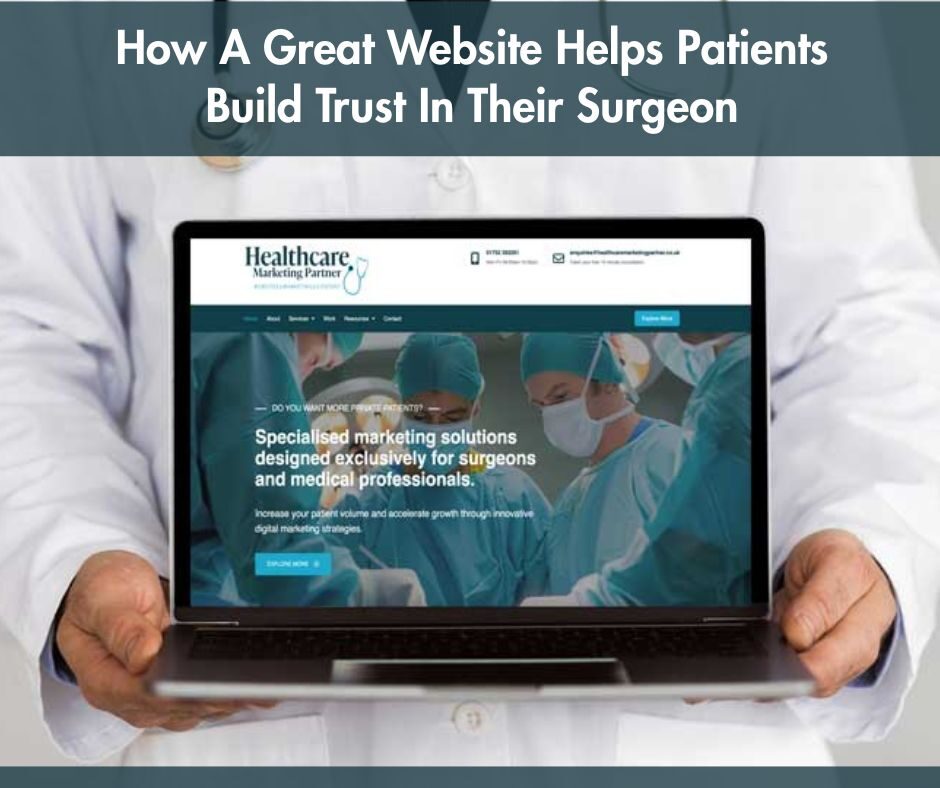
How A Great Website Helps Patients Build Trust In Their Surgeon
A surgeon’s online presence can make or break their reputation. A well-designed website serves as a powerful tool in building patient trust and conveying credibility.
It goes beyond just listing services, providing a window into the surgeon’s expertise and professional ethos. For patients seeking comfort and confidence in their healthcare choices, a great website can be the bridge that connects them to their ideal surgeon, building trust through transparency and engagement.
“Trust is a critical component of the patient-provider relationship, and first impressions often occur online. A professional, patient-friendly website helps in establishing trust from the outset.”
Importance of First Impressions for a Surgeon
A potential patient’s first interaction with their prospective surgeon is often through their website. This initial encounter is vital, as it sets the tone for the trust-building journey. Patients are naturally anxious when choosing a healthcare provider, especially a surgeon, and a great website can be the key to easing their concerns.
Appeal and Professionalism
The aesthetic appeal of a surgeon’s website plays an immeasurable role in shaping visitors’ first impressions. A professional and visually appealing design can instantly communicate the level of care and attention to detail the surgeon provides. When a website is cluttered or outdated, it may inadvertently suggest negligence or complacency. Conversely, a sleek, modern interface exudes competence and dedication, reaching out to patients and offering reassurance even before they read a single word.
Consider these aspects:
– Colour Scheme: Utilise a calming yet professional colour palette to create a welcoming atmosphere.
– Layout: Ensure that the layout is organised and uncluttered, allowing easy access to essential information.
– Imagery: Use high-quality images that depict the surgeon and staff, as well as the medical facility, to present an inviting and trustworthy image.
User Experience and Navigation
Seamless user experience and intuitive navigation are non-negotiables for a successful surgeon website. When potential patients visit the site, they should be able to find relevant information quickly and easily. Poor navigation can frustrate users, leading to potential mistrust and lost opportunities.
Key factors to ensure a positive user experience include:
– Clear Menus: Have clearly labelled menu options that guide the user effortlessly to the desired sections of the website.
– Quick Loading Times: Make sure the website loads quickly, a crucial factor since long loading times can deter continued browsing.
– Search Functionality: Implement a robust search feature that enables visitors to find specific information without hassle.
Mobile Responsiveness
With an increasing number of people accessing the internet via smartphones and tablets, a surgeon’s website must be mobile-responsive to cater to all potential patients. A seamless mobile experience not only meets the expectations of users but also reinforces the surgeon’s commitment to accessibility and patient care.
Steps to achieve high mobile responsiveness:
– Adaptive Design: Ensure that the website adjusts smoothly to various screen sizes without compromising quality or readability.
– Touch-Friendly Navigation: Optimise the site for touchscreen navigation, with larger buttons and easily scrollable menus.
– Consistent Functionality: Maintain all desktop features on mobile to provide a comprehensive and uniform user experience

Showcasing Surgeon Credentials
A critical aspect of building trust with potential patients is transparently showcasing the surgeon’s qualifications and experience. This display of pertinent credentials assures patients that they are in expert hands, thereby reducing anxiety and boosting confidence.
Displaying Surgeon Qualifications and Certifications
Patients want reassurance that they are selecting a surgeon who is not only highly qualified but also consistently up-to-date with the latest in medical advancements. Therefore, showcasing verifiable qualifications and certifications is imperative.
Points to consider:
– Up-to-Date Information: Ensure that all certifications and qualifications are current and highlighted prominently on the website.
– Professional Affiliations: List memberships and affiliations with reputable medical boards and associations, adding to the credibility.
– Continuous Education: Mention any ongoing training or additional courses undertaken to emphasise a commitment to excellence.
Sharing Patient Testimonials
Real-life experiences from previous patients are often the most convincing form of assurance a prospective patient can receive. Positive testimonials serve as powerful endorsements, providing an emotional connection and reflecting the care and expertise of the surgeon.
Implement these 3 strategies:
1. Authentic Stories: Share testimonials with real names and sincere, specific experiences rather than generic statements.
2. Variety of Cases: Include a range of testimonials that cover different procedures to appeal to a broader audience.
3. Visual Content: Consider integrating before-and-after photos where appropriate, with patient consent, to visually represent success stories.
Highlighting Successful Case Studies
Beyond qualifications and testimonials, showcasing successful case studies is an influential method to establish trust. Detailed case studies provide an in-depth look into the surgeries performed, outcomes achieved, and the surgeon’s problem-solving capabilities.
Effective case study presentation should include:
– Clear Descriptions: Offer concise yet comprehensive descriptions of the cases that highlight the strategy and approach undertaken.
– Challenges and Solutions: Discuss any challenges encountered and how they were overcome, showcasing the surgeon’s expertise.
– Outcome and Impact: Highlight the positive outcomes and the impact on the patients’ quality of life, emphasising the surgeon’s role in these transformations.
A well-developed and thoughtfully curated website plays an indispensable role in building trust and confidence among potential patients. From first impressions to detailed showcases of qualifications and successful outcomes, every element contributes to an overarching narrative that can effectively convey a surgeon’s credibility and commitment to patient care.

Engaging Content and Communication
A surgeon’s website is often the first point of contact for potential patients. This means that the content featured on a medical website needs to be both engaging and informative to foster trust and build credibility. Here’s how great content and seamless communication can bolster a patient’s confidence in their chosen surgeon.
Blog and Educational Resources
One effective way to instil confidence in patients is by providing a blog with educational resources. Surgeons can share their knowledge through well-written articles that address common patient concerns, discuss the latest advancements in healthcare, and offer insights into various surgical procedures.
– Informative Articles: These can demystify complex procedures and explain them in layman’s terms, making the information accessible to all.
– Success Stories and Case Studies: When patients read about real-life successes narrated by individuals who have undergone similar procedures, they are likely to feel reassured about the surgeon’s capabilities.
By regularly updating the blog with fresh and relevant content, the surgeon demonstrates commitment to patient education and continuous learning, which strengthens their credibility.
Interactive Features and Q&A Sections
Interactive features on a surgeon’s website can further enhance trust-building. Including a Q&A/FAQs section allows patients to pose their questions and receive authoritative answers directly from the surgeon or qualified staff.
– FAQs: An extensive list of frequently asked questions can address common concerns, thus saving patients time while building confidence.
– Live Chat and Contact Forms: A live chat feature empowers patients to engage directly in real-time, offering immediate responses to their inquiries. Alternatively, contact forms allow for detailed questions that may require a more thorough response.
These interactive elements not only improve user experience but also convey accessibility and readiness to engage, which are crucial for trust-building.
Transparency Through Doctor-Patient Communication
Clear and open communication is a cornerstone of trust in the surgeon-patient relationship. A great website showcases this transparency by providing ample opportunities for direct communication.
– Detailed Contact Information: Displaying comprehensive contact details, including phone numbers, email addresses, and office locations, assures patients of the surgeon’s accessibility.
– Virtual Consultations and Appointments: Offering virtual consultations can be pivotal, especially for patients seeking preliminary discussion before deciding on in-person visits.
Incorporating these communication avenues into a surgeon’s website not only shows a commitment to patient needs but also reinforces the surgeon’s dedication to transparency and individualised care. When patients feel heard and valued, their trust and confidence in their healthcare provider naturally increases.

Patient Trust-Building FAQs
What features should a surgeon's website have to build trust?
- Detailed Credentials: Displaying qualifications, certifications, and experience can help reassure potential patients of the surgeon's competence.
- Patient Testimonials and Reviews: Including testimonials from previous patients can provide real-life examples of the surgeon's success and reliability.
- Educational Content: By offering informative resources about procedures, recovery, and healthcare tips, surgeons can demonstrate their knowledge and commitment to patient education.
How does a well-designed website enhance surgeon credibility?
How do I get support?
Call: 01752 393261
Email: enquiries@healthcaremarketingpartner.co.uk